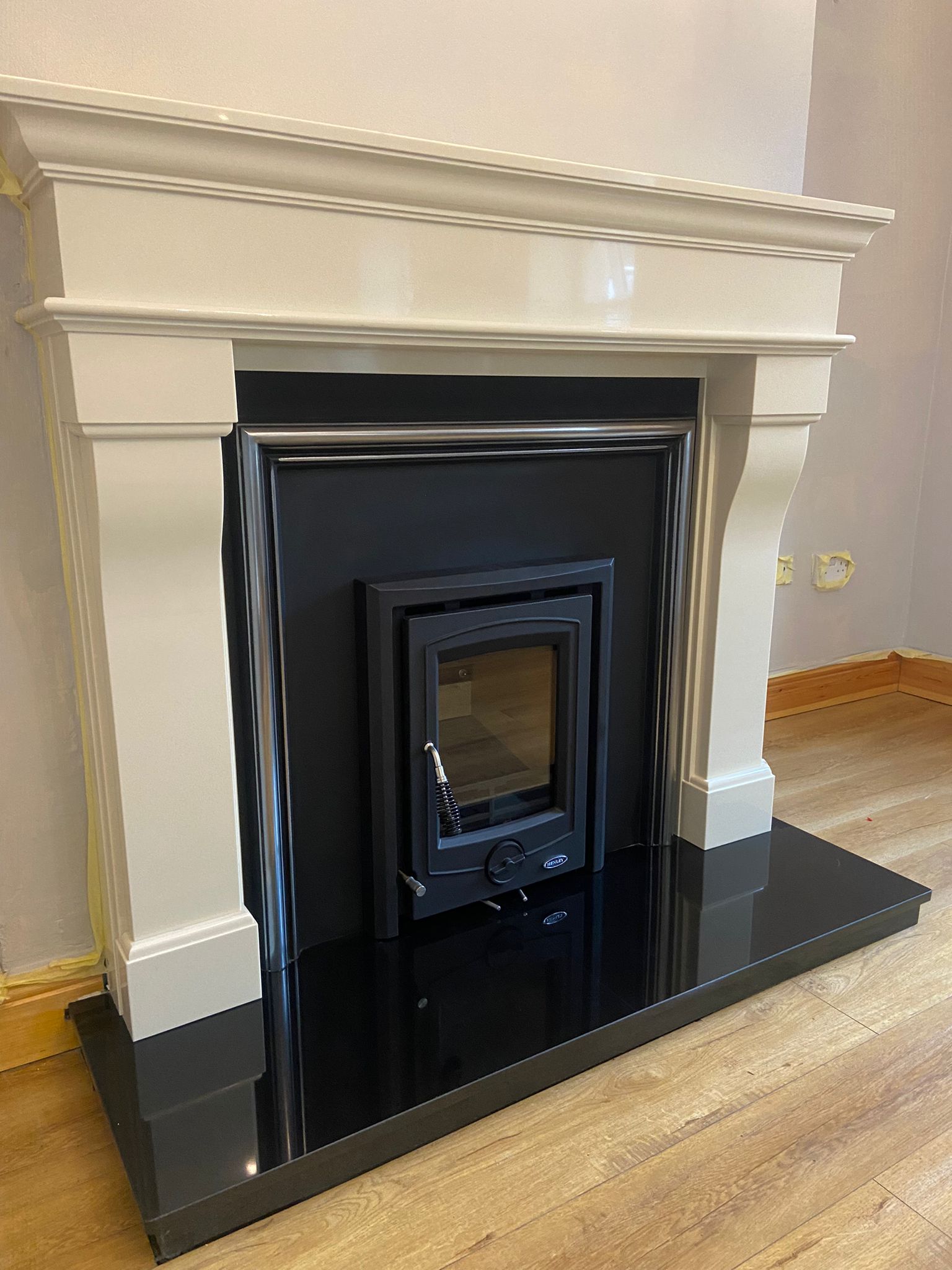
Buying a stove is exciting — and more than a little overwhelming. Walk into any stove showroom and you'll find dozens of models in every size, shape, material, and price point, with salespeople throwing around terms like kW output, Ecodesign, secondary burn, and draught stabilisers.
This guide cuts through it. As an installer who fits stoves every week across Leinster and Waterford, these are the questions I actually ask when speccing a stove for a customer's home.
Step 1: Get the Size Right
The most common mistake people make is buying a stove that is too large for the room. A stove that's too big produces so much heat that you have to run it with damped-down air controls — which causes incomplete combustion, more smoke, more creosote buildup, and a shorter stove lifespan.
The rough calculation: multiply the room's length × width × ceiling height (in metres) to get the volume. Divide by 14. That gives you the approximate kW output you need.
For example: a 4m × 5m room with a 2.4m ceiling = 48m³ ÷ 14 = ~3.4kW. A 5kW stove is ideal for this room.
Don't guess. Our free stove size calculator does this in 30 seconds and accounts for insulation, windows, and whether you want the stove as a primary heat source or supplementary heating.
Step 2: Wood Burning Only, or Multi-Fuel?
Wood burning stoves are designed specifically for logs. They have a flat base inside the firebox (no grate) which keeps the log bed together and allows it to burn efficiently. They cannot burn coal or peat.
Multi-fuel stoves have a raised grate so that air can circulate under the fuel. This is required for coal and smokeless fuels. They can also burn wood, though slightly less efficiently than a dedicated wood burner.
For most Irish households, a multi-fuel stove gives more flexibility — you can use wood when it's available and cheap, and switch to smokeless fuel or briquettes when needed. However, if you're committed to wood only and want maximum efficiency, a dedicated wood burner is the better choice.
Step 3: Cast Iron or Steel?
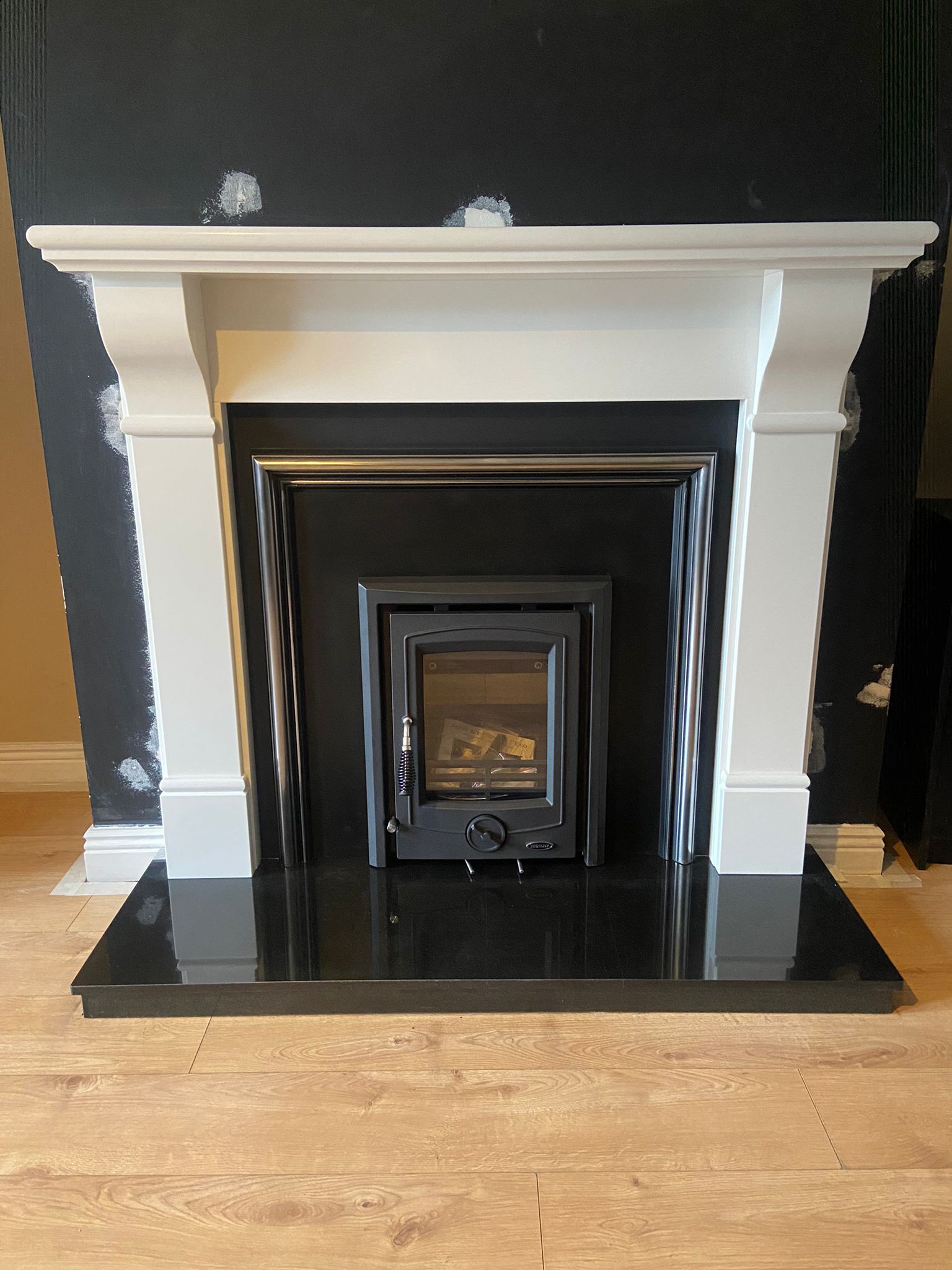
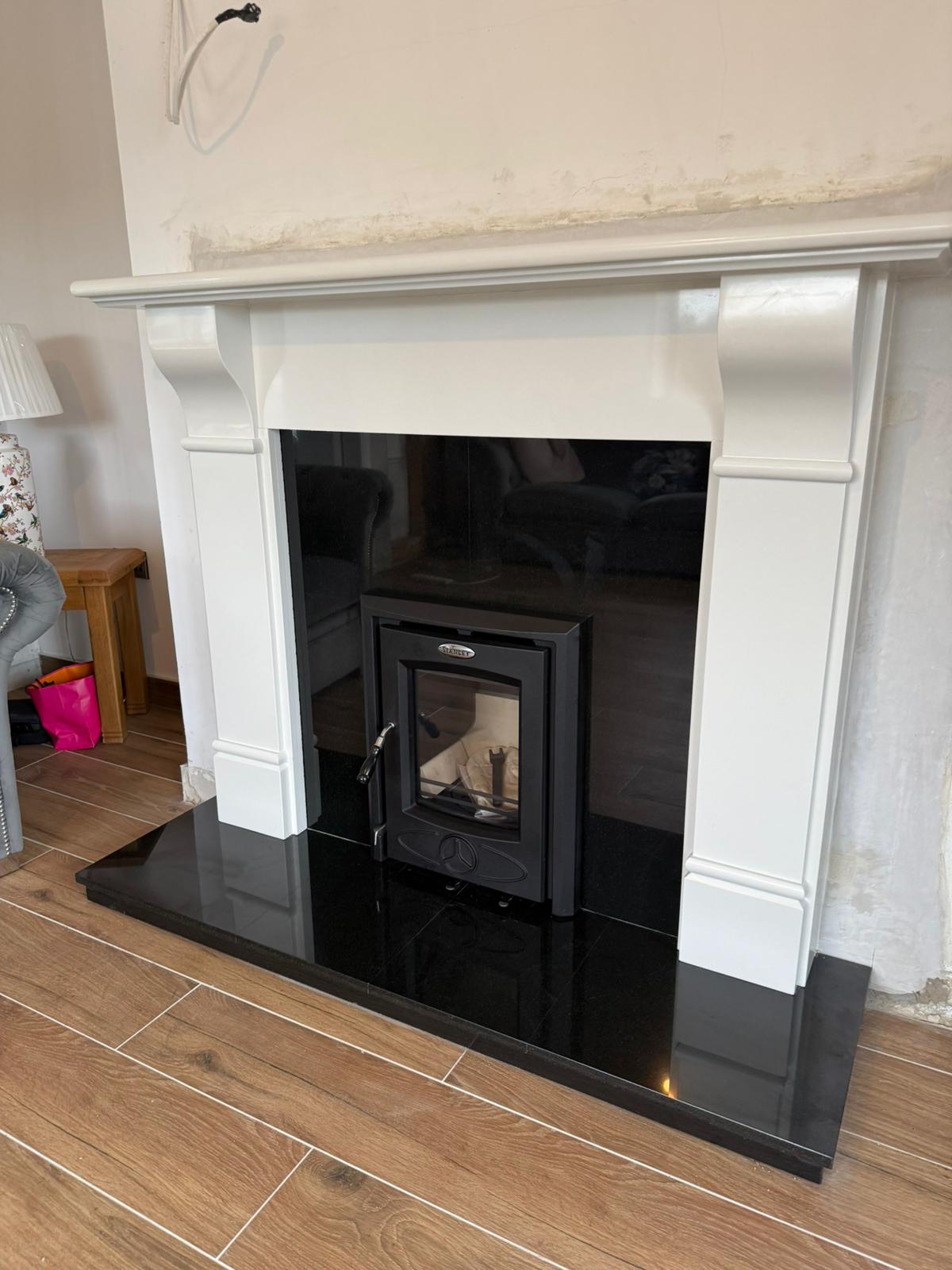
Cast iron stoves have been the traditional choice for centuries. Cast iron is dense, holds heat well, and radiates warmth long after the fire has died down. They're heavier and typically more expensive, but the heat retention is genuinely noticeable — the stove acts as a thermal mass that continues warming the room for hours.
Steel stoves heat up faster and are generally lighter and easier to handle. They respond more quickly to control adjustments. Many modern Scandinavian stoves (Morso, Hwam, Rais) use heavy gauge steel and are beautifully engineered. They're not inferior to cast iron — just different.
For most Irish sitting rooms, either works well. The choice often comes down to aesthetics and budget more than performance.
Step 4: Ecodesign — Why It Matters
Since 2022, all new stoves sold in Ireland and the UK must meet the SIA Ecodesign Ready standard. This means a minimum 75% efficiency and maximum particulate emissions of 40mg/m³. Older stoves can emit 3–4 times more particulates for the same heat output.
If you're buying a new stove in 2026, it will be Ecodesign compliant. If someone is trying to sell you an older stock stove at a discount, be wary — it may not meet current standards and could cause issues with your insurer.
Step 5: Ask Your Installer These Questions
Before agreeing to any installation, ask:
- Will you do a CCTV survey of my chimney before installation?
- Is a chimney liner included in the price?
- Will I receive a certificate of installation?
- Is the stove Ecodesign 2022 compliant?
- What hearth specification is required for this stove?
- Is the air supply to the room compliant with building regulations?
- Are you fully insured for solid fuel stove installation?
- What aftercare do you provide if there are issues?
What to Expect From a Proper Installation
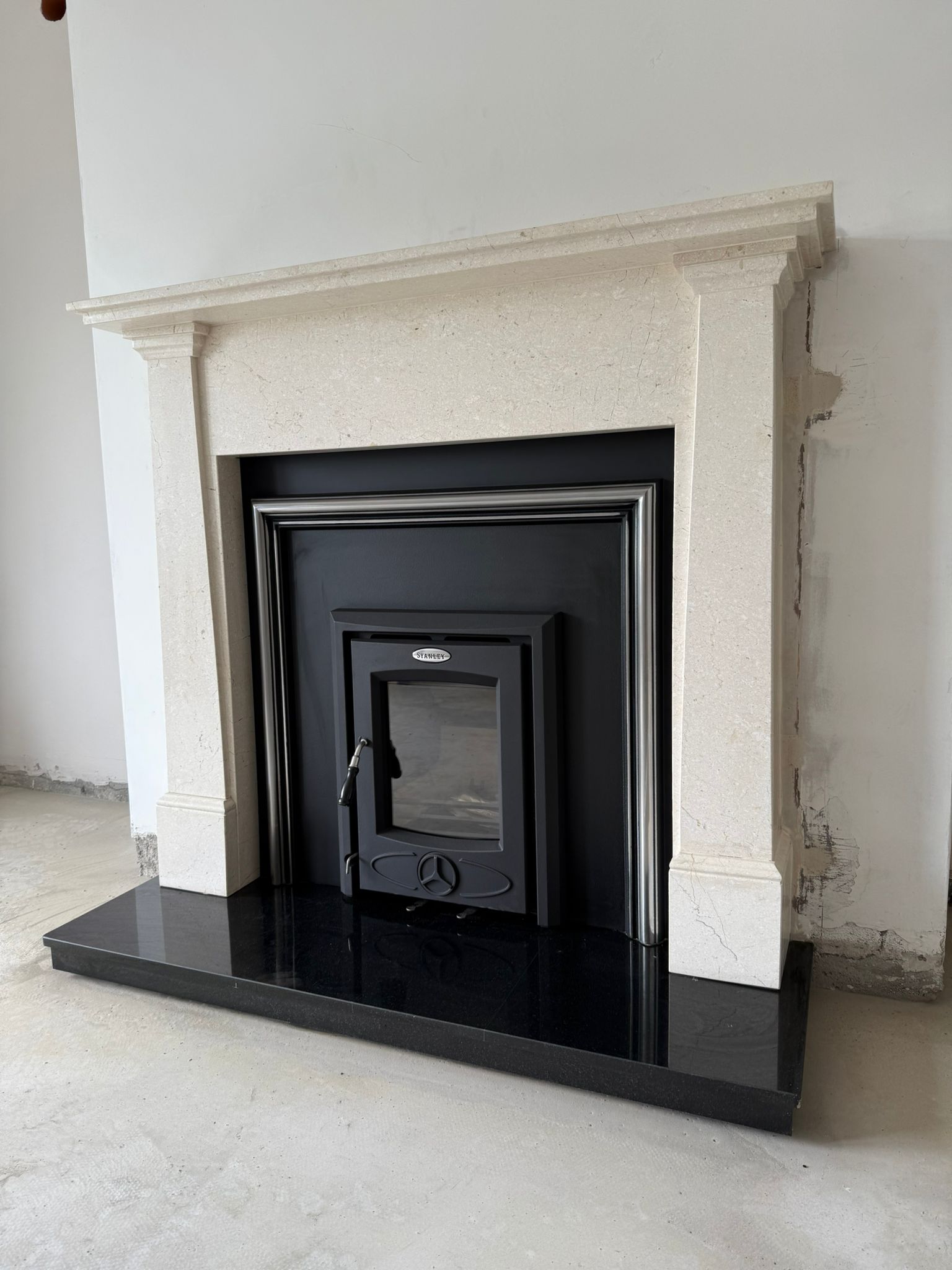
A stove installation should take one to two days and leave your room in the same condition it was found — just with a stove in it. At J.Roberts, we lay dust sheets throughout the house, sweep and vacuum after ourselves, and don't leave until the first fire has been lit and the stove is drawing correctly.
We also show every customer how to use their stove — how to light it from cold, how to build the fire up correctly, how to run it at the right temperature to avoid creosote buildup, and what fuel to use. This is important: a well-run stove lasts decades. A poorly-run one causes problems within a few years.
Ready to find the right stove for your home?
We do a free home assessment — survey your chimney, measure your room, and recommend the exact right stove for your situation. No obligation, no sales pressure.